What is Induction Hardening?
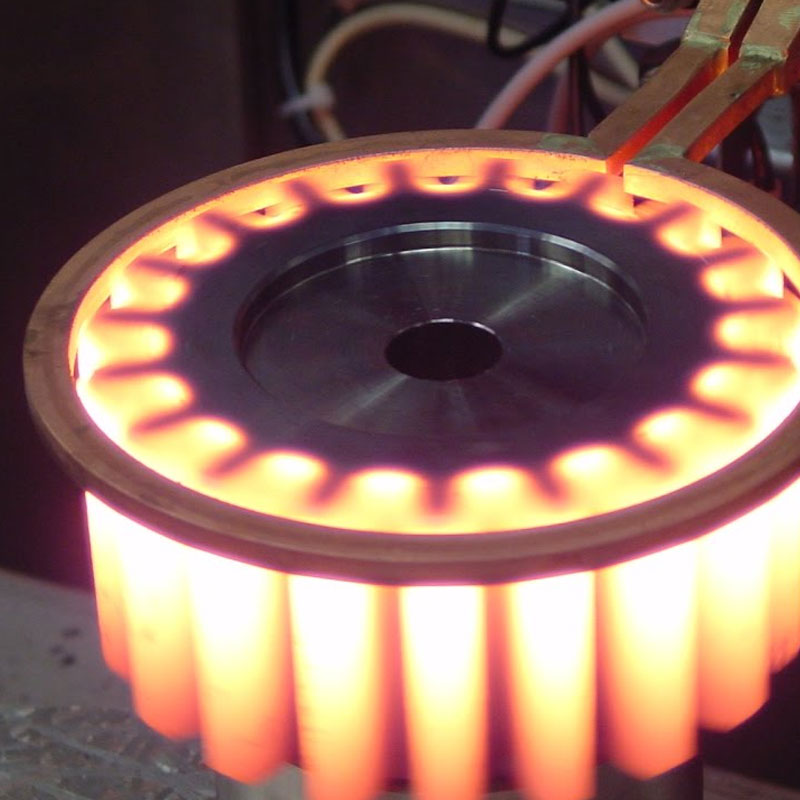
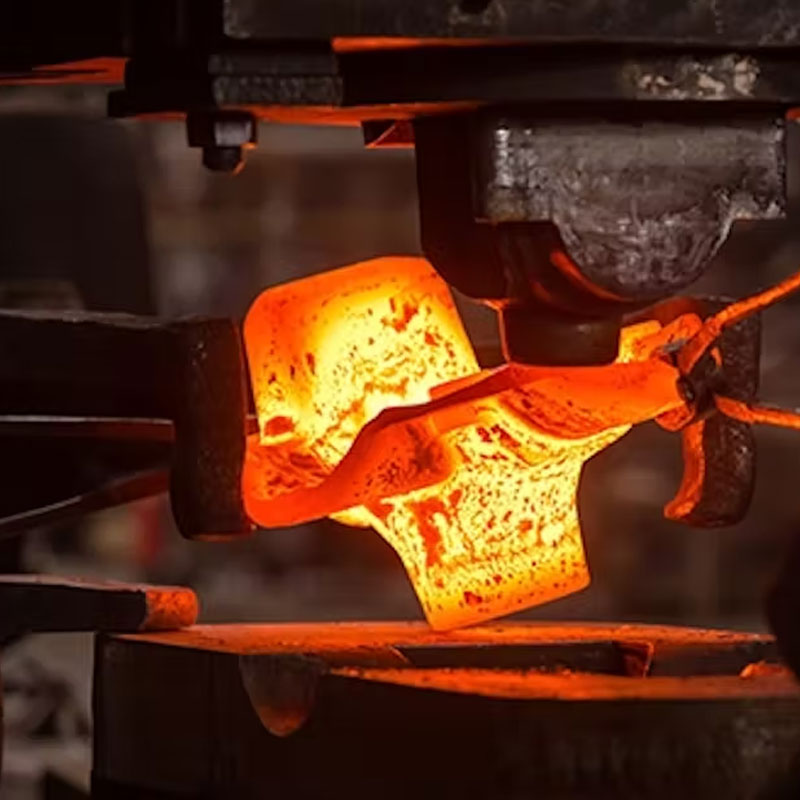
Induction hardening is a method used for the surface hardening of steel and other alloy components. The components to be heat treated are placed inside a copper coil and then heated above their transformation temperature by applying an AC to the coil. The AC current in the coil produces an alternating magnetic field within the workpiece which causes the outer surface of the part to heat to a temperature above the transformation range. The parts were then followed by immediate quenching. Induction hardening is an electromagnetic procedure using a copper inductor coil, which is fed a current at a specific frequency and power level. Hardening process is utilised to increase surface hardness, wear resistance, and fatigue life through formation of a hardened surface layer while maintaining an unaffected core microstructure. Induction hardening is exceptional at restoring field failures, improvements in strength, fatigue and wear resistance in a localised area without having to redesign the component.
Advantages of Induction Hardening
Induction Hardening is done for components that are exposed to heavy loading as it gives high surface hardness with a deep case capable of handling enormously high loads. Fatigue strength is also increased by the creation of a soft core surrounded by a tremendously tough outer layer. These properties are needed for components that are subject to torsional loading and surfaces that experience impact forces.
Application & materials
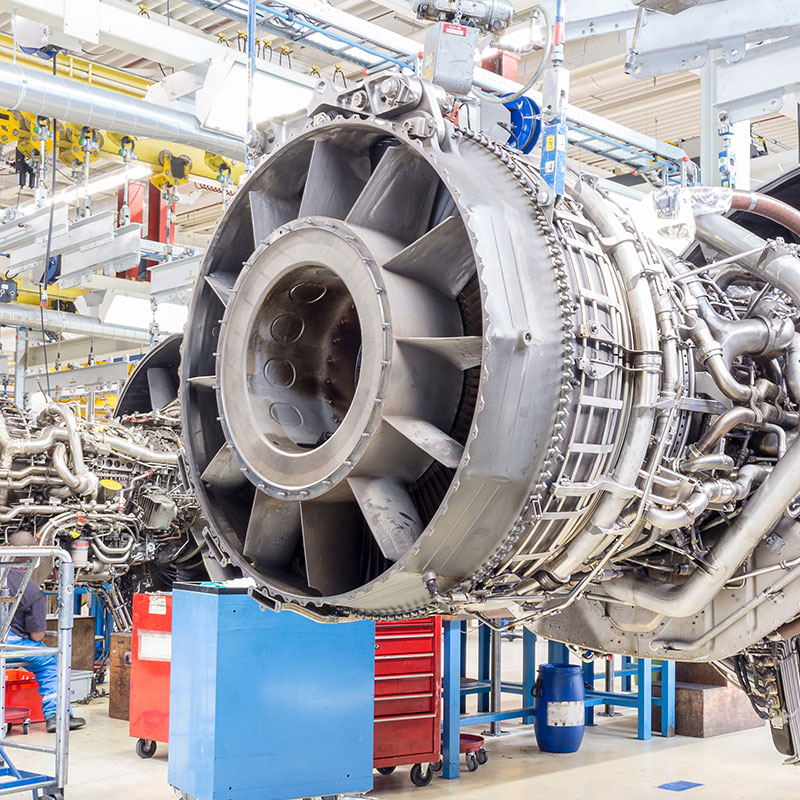
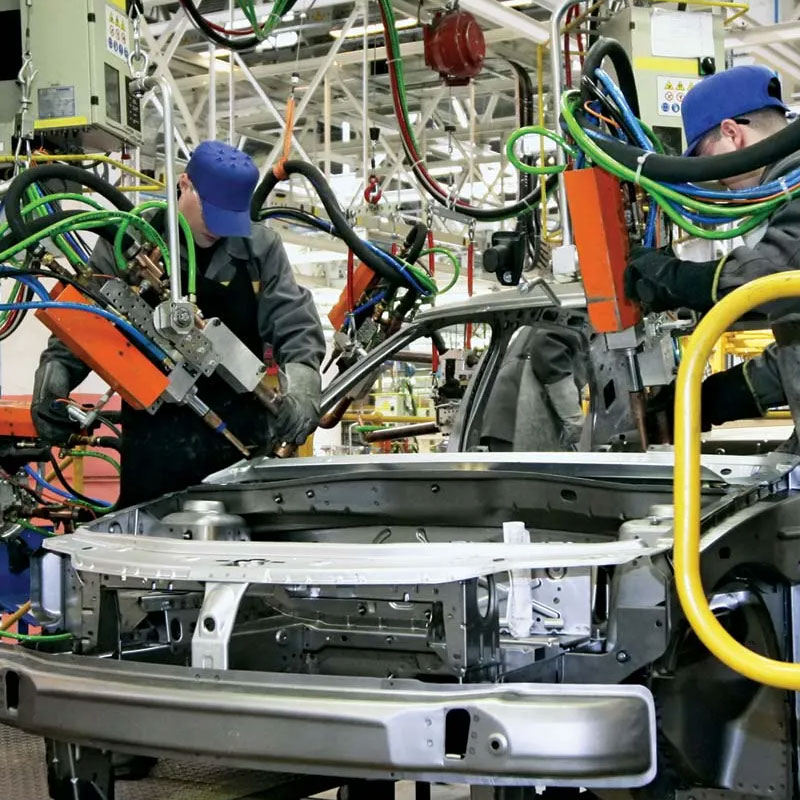
Induction hardening finds applications include suspension, powertrain, engine components and stampings, gears, cam lobes, shafts, axles, stampings, and spindles, mostly symmetrical parts.