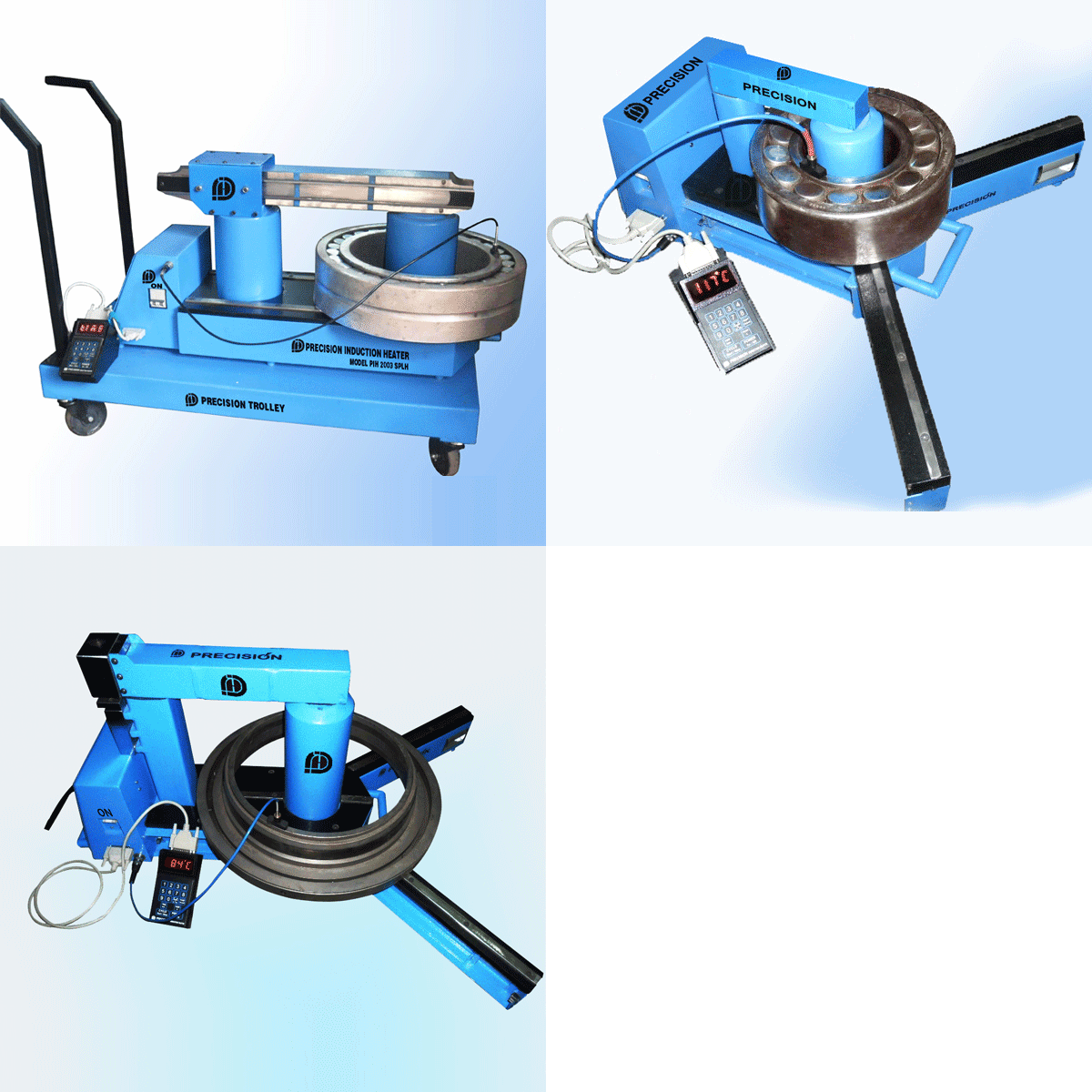
What is Induction Annealing?
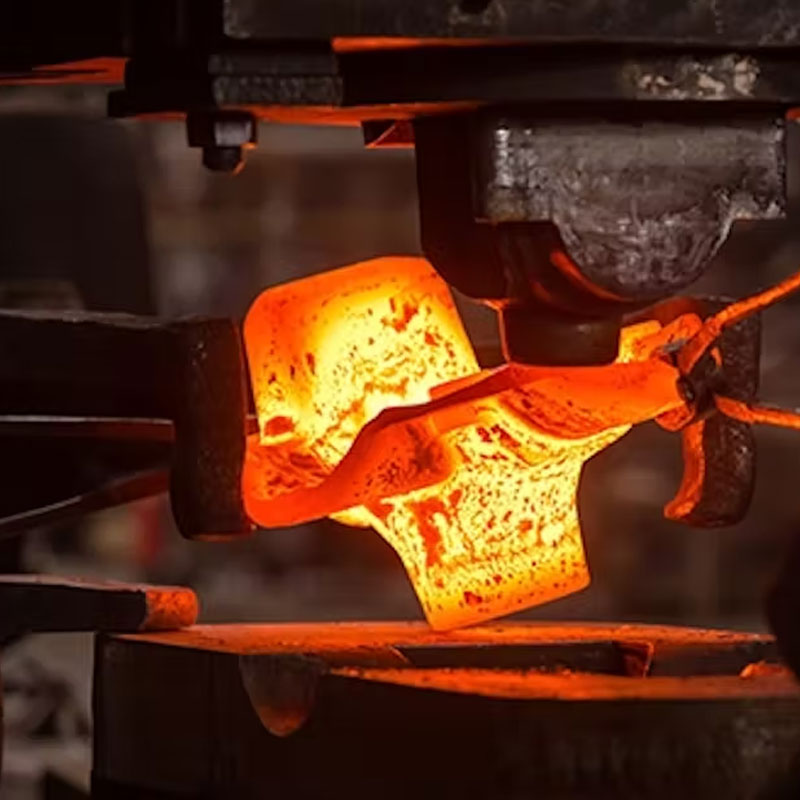
Induction Annealing is the precise heating and cooling of a metal or alloy in order to obtain a set of desired metallurgical properties. Induction Annealing heats very small areas within accurate production tolerances without disturbing individual metallurgical characteristics, annealing materials quickly and precisely. Induction Annealing is a heat treatment process which alters the microstructure of a material to modify its electrical or mechanical properties, and sometimes chemical properties. Induction Annealing is normally used to reduce hardness, increase ductility and help eliminate internal stresses of steels. Annealing can be subcritical, intermediate or full annealing in a variety of atmospheres. Annealing reduces the hardness to make it more workable. The annealing process needs the material above its recrystallization temperature for a set amount of time before cooling. The cooling rate depends upon the types of metals being annealed.
In the induction annealing process, the heating process causes atoms to travel in the crystal lattice and the number of dislocations decreases, leading to the change in ductility and hardness as material recrystallizes as it cools. However, with information of material composition and phase diagram, heat treating can soften metals and prepare them for additional working such as shaping, forming, and stamping, as well as preventing brittle failure.