What is Induction Heat Treating?
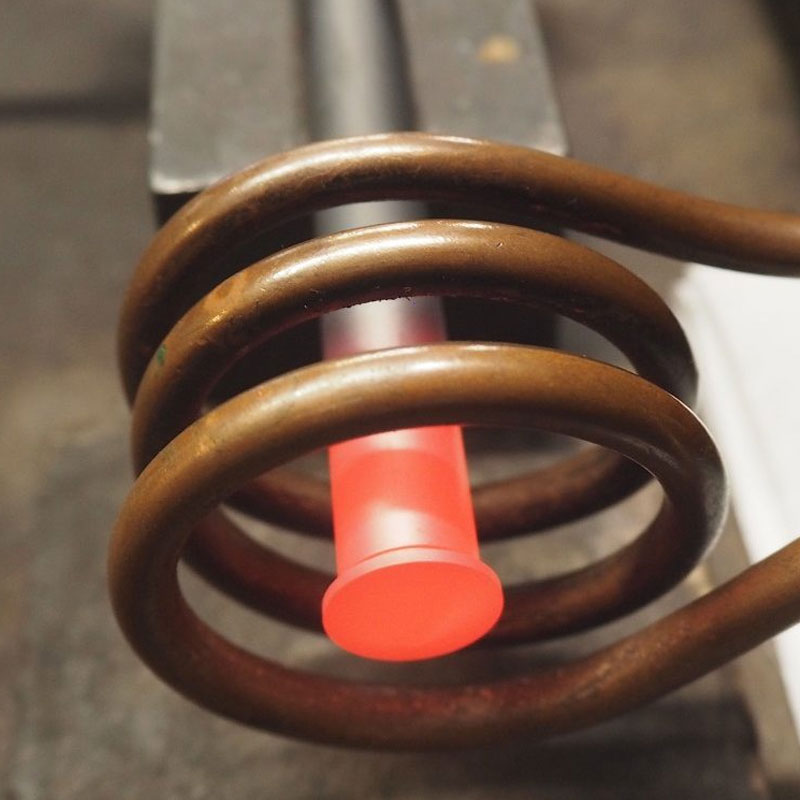
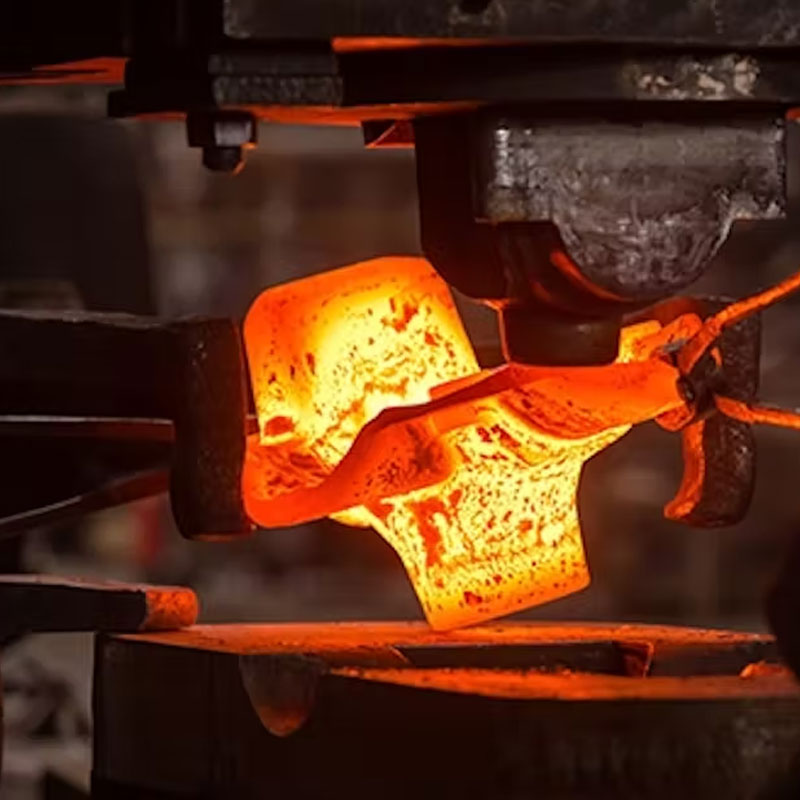
Induction Heat Treating is an induction heating process that provides specific targeted heating of metals by electromagnetic induction as this process relies on induced electrical currents within the material to create heat and is the favoured method utilised to harden, bond, or soften metals or other conductive materials. Induction Heat Treating offers a beneficial combination of speed, consistency and control and is a cost-effective heating method for applications which involve joining, heating, treating, and materials testing. Induction heat treating, done by well-regulated use of an electrically heated coil, permits you to select the best physical characteristics for not only each metal part—but for each section on that metal component. Induction hardening gives superior durability to bearing journals and shaft sections without sacrificing the ductility necessary to handle shock loads and vibration. You can harden internal bearing surfaces and valve seats in intricate parts without creating distortion problems. This means that you are able to harden or anneal specific areas for durability and ductility in ways that will best serve your needs.
Benefits of Induction Heat Treating
Consistency of the heat treating process removes the discrepancies and quality issues linked with open flame, torch heating and other procedures as with latest solid state systems, accurate temperature control provides consistent results.
Focused heat treat surface hardening retains original ductility of core while hardening a high wear area of the part. The hardened area is accurately controlled in respect to case depth, width, location and hardness.
Maximized productivity production rates can be achieved as heat is produced directly inside the part. Improved product quality parts never come into direct contact with a flame or other heating element as a result; product warpage, distortion and reject rates are diminished.
Induction Heat Treating is a clean, non-polluting process which will support protecting the environment. Reduced energy consumption as this energy-efficient Induction Heat Treating process converts up to 90% of the energy expended into useful heat as compared to batch furnaces which are usually 45% energy-efficient only.